Hair loss is gradual, so it’s easy to wait. But follicles that are still active respond far better than those that have been thinning for years.
A receding hairline
Especially at the temples.
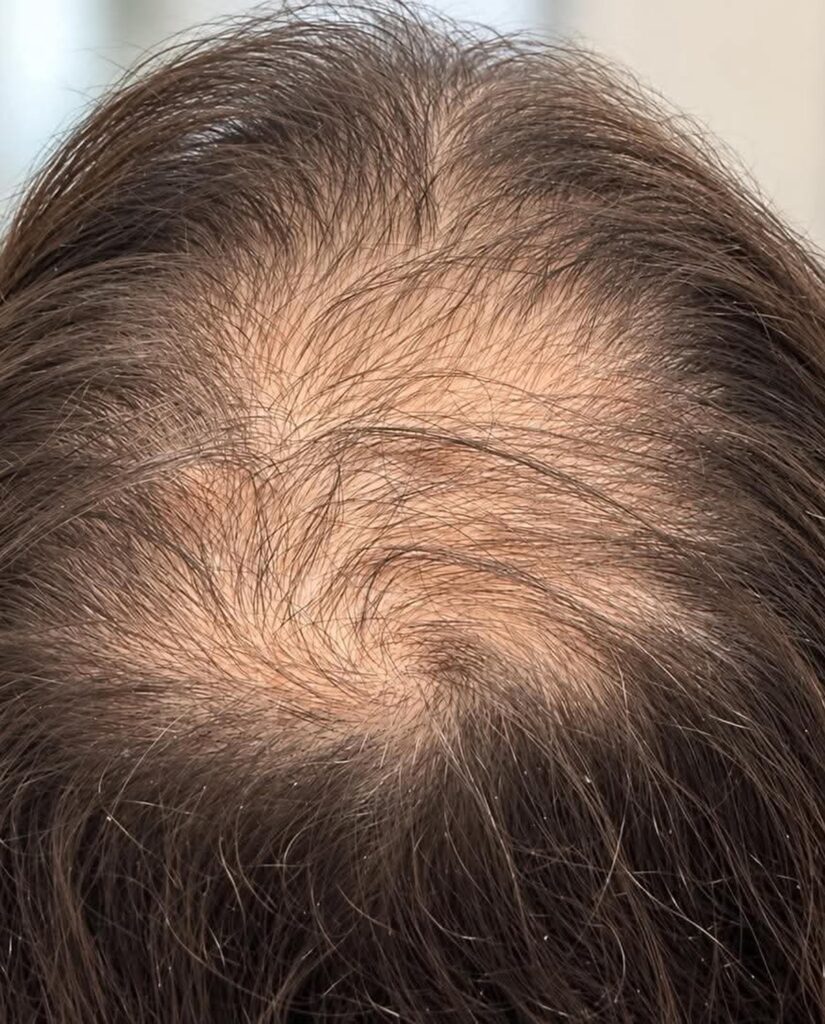
Thinning at the crown
Often first noticed in photos or under bright light.
More scalp showing
When your hair is wet or styled.
Finer, weaker hairs
Hair that feels thinner and won't hold a style.
Increased shedding
More hair on your pillow or in the shower.
Patches of hair loss
Including in the beard or eyebrows.
Common causes
What causes male hair loss?
Pattern hair loss is the most common cause — but it isn’t the only one, and the right plan depends on getting it right.
Male pattern hair loss
Also called androgenetic alopecia: an inherited sensitivity of the follicles to the hormone DHT, causing hairs to become gradually finer at the hairline and crown.
Telogen effluvium
Diffuse shedding triggered by illness, stress, rapid weight loss or some medications — often a few months after the event.
Alopecia areata
Patchy hair loss involving the immune system, which can affect the scalp, beard or eyebrows.
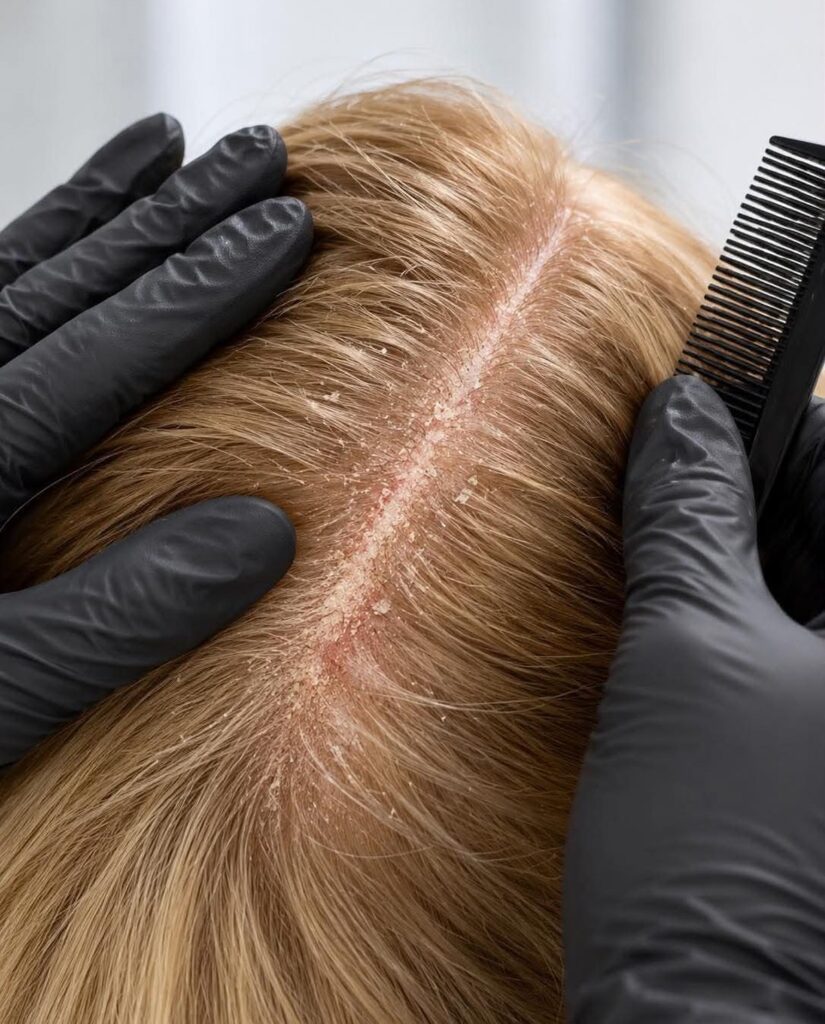
Scalp conditions
Inflammation, dandruff or folliculitis can aggravate shedding and make the scalp uncomfortable.
Lifestyle & nutrition
Diet, stress, sleep and some supplements — including certain products used for training — can all affect your hair.
How we help
Straight answers, realistic plans
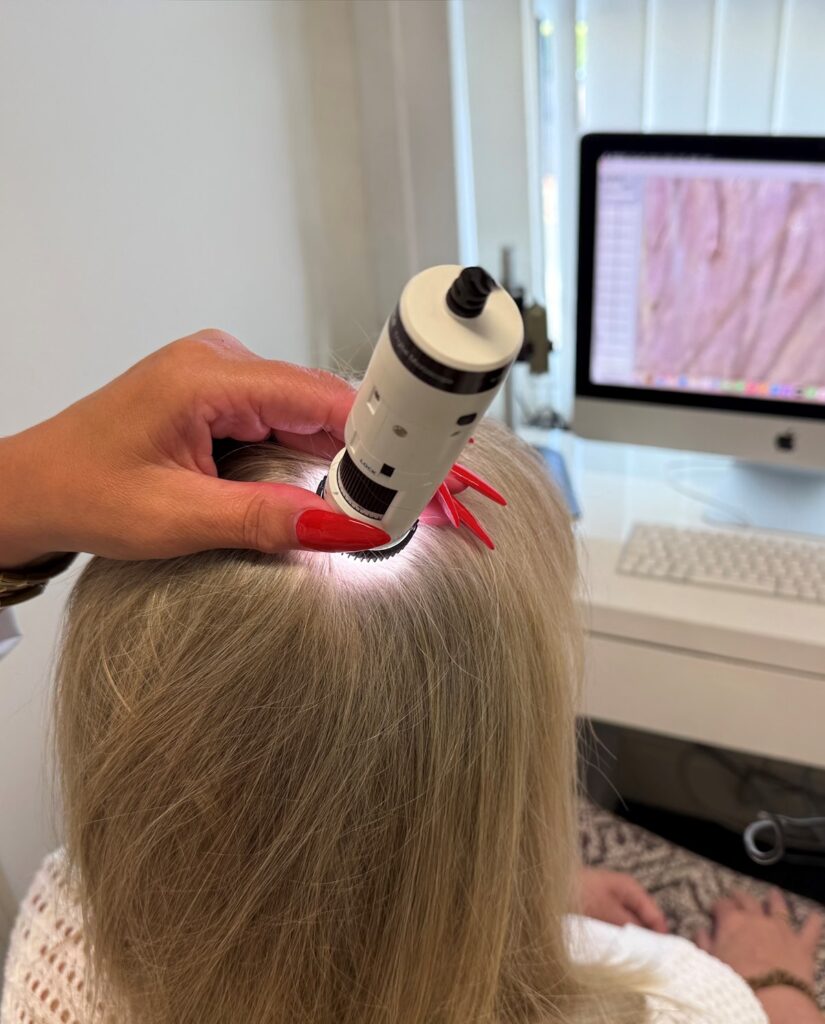
We confirm what type of hair loss you have and how active it is, using trichoscopy to measure miniaturisation and density. Then we build a plan that fits your goals — and we’ll be honest about what’s achievable.
Your plan may include
In-clinic scalp treatments
Topical options and a simple home routine
Scalp health, nutrition and lifestyle guidance
A conversation with your GP about medical treatments, where appropriate
Honest advice on whether a hair transplant consultation is worth considering
Rarely. Even where hair has thinned significantly, there are usually steps that help protect what you have. We’ll give you an honest view of your options.
Do treatments work for everyone?
No treatment works the same for everyone, which is why we assess you properly first and review your progress with comparison images.
Can you help me decide about a hair transplant?
Yes. We can assess whether your hair loss is stable and discuss whether a transplant consultation makes sense — or whether other steps should come first.
Will I need to keep up treatment?
Pattern hair loss is ongoing, so most plans include a long-term maintenance routine. We’ll keep it as simple as possible.